Fun Wedding Reception Dances Beyond the First Dance
Key Points
The dances that get remembered are the ones that involve the room, not just the couple.
- The best wedding reception dances beyond the first dance are the ones with built-in participation: mother-son, father-daughter, anniversary dance.
- Line dances work in small doses. One or two per reception, max.
- Staged performance dances (flash mobs, choreographed routines) usually die in execution unless the couple is genuinely trained.
- Traditional cultural dances almost always hit, because guests come prepared to participate.
- The best dance moments are the ones that pull people in, not the ones that ask the couple to perform.
What Makes a Dance Moment Work
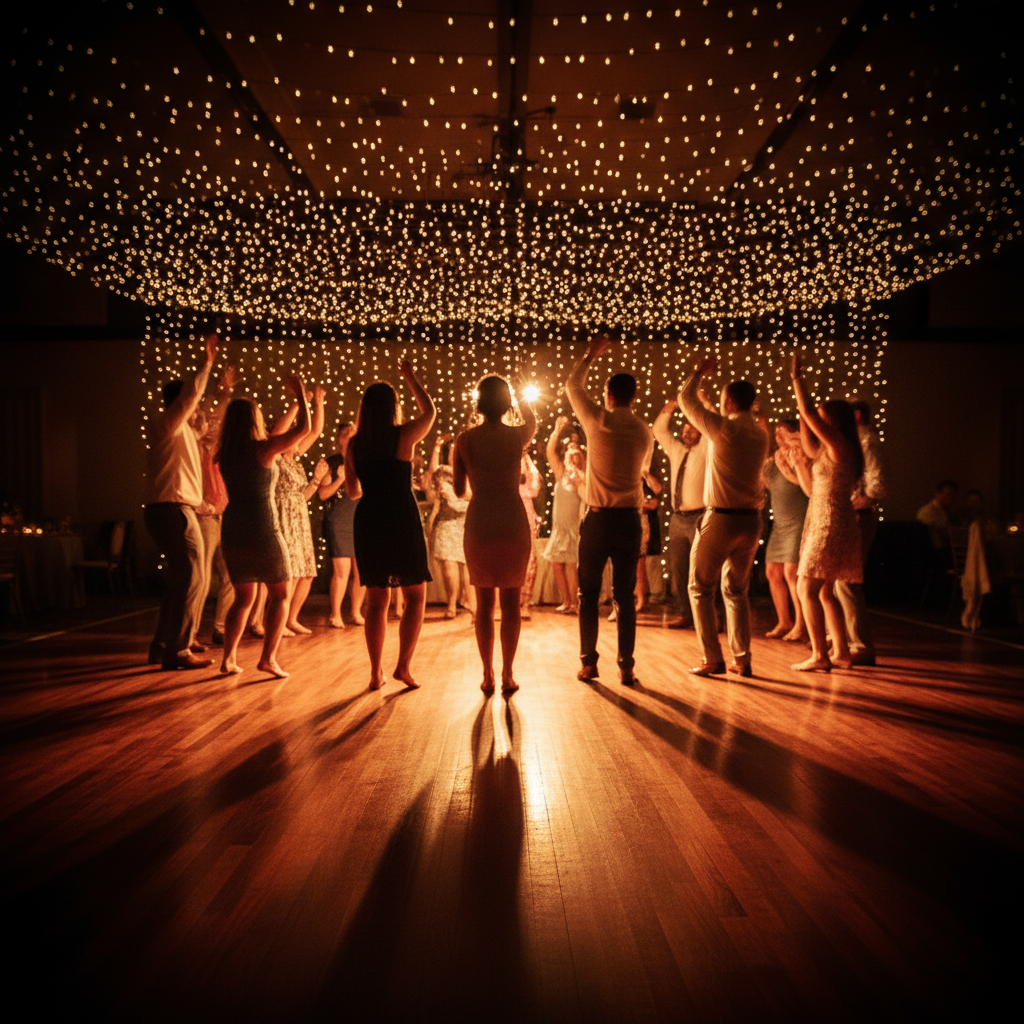
A wedding dance moment (also called a reception dance or group dance) works when guests participate. Not when they watch. The couples who treat the dance floor as performance usually lose the room. The couples who build in participation moments keep energy high. For wider context on wedding dance traditions, see Brides’ cross-generational song guide.
The math is simple. Guests came to a party. They want to dance. Every moment you ask them to sit down and applaud drops the temperature. Every moment you invite them up raises it.
We tell couples this all the time. Your reception has about 90 minutes of peak dance-floor energy. Every choreographed performance eats into that window. Make sure the tradeoff is worth it.
Reception Dances vs. the First Dance
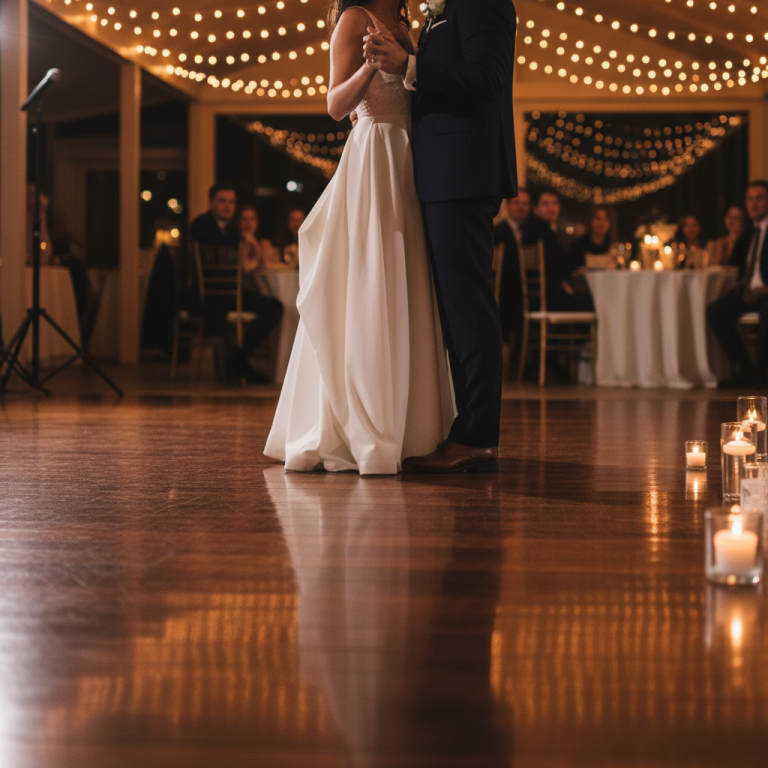
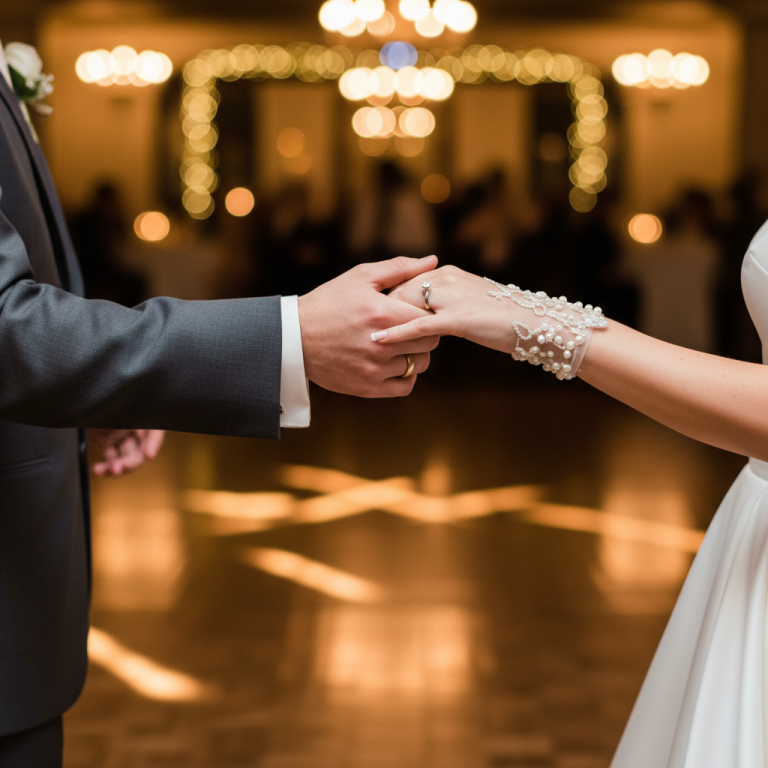
The first dance is a solo performance moment for the couple. Reception dances beyond the first dance have a completely different job: they’re designed to get other people on the floor. Confusing the two is common. Couples sometimes try to apply first-dance logic (pick a meaningful song, choreograph something) to parent dances and group dances, and it usually backfires. Parent dances should be short and emotionally resonant. Group dances should be floor-fillers. They’re not the same brief.
Essential Participation Dances
Mother-Son Dance
Traditional, emotional, and short. Keep it under 3 minutes. Popular song choices include “A Song for Mama” by Boyz II Men, “In My Life” by The Beatles, or “Unforgettable” by Nat King Cole. Invite the dance floor to join in halfway through so the moment doesn’t feel too performative.
Father-Daughter Dance
Same rules. Under 3 minutes, song with meaning, invite guests in at the halfway mark. “My Girl” by The Temptations, “I Loved Her First” by Heartland, and “The Way You Look Tonight” are the classic picks. Pick the one that fits your actual relationship.
Anniversary Dance (Dollar Dance)
One of the best crowd moments at any wedding. The DJ calls out married couples by years together, and the couples slowly drop off until only the longest-married couple is left on the floor. The older guests love it. it’s a great mid-reception reset.
Bouquet Toss and Garter Toss
Traditional but optional. If you skip them, don’t replace them with anything. If you include them, keep them short and musical. “Single Ladies” by Beyoncé for the bouquet. Bond theme or something equally tongue-in-cheek for the garter.
Line Dances
One or two per reception, max. they’re crowd-pullers but fatigue quickly.
- Cupid Shuffle. The most reliable modern line dance.
- Wobble. Works especially well after 10pm.
- Electric Slide. Gets the older crowd engaged.
- Cha Cha Slide. Fine in small doses. don’t play twice.
Cultural Dances
If your wedding incorporates a cultural tradition, lean into it. Cultural dances almost always land because guests come prepared to participate.
- Hora (Jewish weddings). Huge energy moment. The lifting chairs part is one of the most memorable wedding traditions across any culture.
- Tarantella (Italian weddings). Loud, fast, joyful.
- Bhangra (Indian weddings). Brings immediate energy.
- Line dances at country weddings. “Boot Scootin’ Boogie” and others.
- Greek circle dances (Greek weddings). Participatory by nature.
Staged Performance Dances (Handle With Care)
Flash mobs, choreographed first dances, and wedding party performance routines are high-risk, high-reward.
When they work, they’re unforgettable. When they don’t, they’re painful. The couples who pull these off are usually the couples who dance regularly, have rehearsed more than they think they need to, and have accepted that half the guests will find it cheesy.
If you want to stage one, follow these rules:
- Rehearse at least 5 times with music, in the shoes you’ll wear.
- Keep it under 90 seconds.
- Invite guests to join the last 30 seconds.
- Do it before 10pm, not during peak dance-floor time.
- Only try this if you genuinely enjoy dancing. If you’re forcing it, the audience will feel that.
Dances we’d Skip
- Shoe Game. Takes too long for how little entertainment it delivers.
- Chair Dance (non-Jewish versions). Wobbly and awkward if it’s not the Hora.
- Cake Slice Ceremony dances. Just serve the cake. No song needed.
- Karaoke-style dance-offs. Entertaining on Instagram. Dead in person.
For more on reception flow, see our guide on wedding reception entertainment ideas beyond the DJ.
How to Schedule Your Dance Moments
- First dance: Opens the dance block. 3 minutes or less.
- Parent dances: Immediately after the first dance. Mother-son and father-daughter. 3 minutes each, invite guests in.
- Dance floor opens: High-energy song pulls the whole room up.
- Cultural dance (if applicable): Around 30 to 45 minutes into the dance block.
- Anniversary dance: Mid-reception. Good energy reset around 9pm.
- Line dance: Once, around 9:30 to 10pm.
- Peak dance block: 10pm to 11pm. No structured dances. Just music.
For specific song selections, see our breakdown of the best wedding party songs for every part of the night.
FAQs
How many staged dances are too many at a wedding?
More than three staged dances at a wedding starts to feel like a talent show. The first dance, mother-son, and father-daughter are the expected three. Adding a choreographed routine on top of those is fine only if one of them is short (under 2 minutes) and clearly built for fun, not perfection.
Can we skip the parent dances?
Skipping the parent dances is completely valid and increasingly common. If one of you doesn’t have a close relationship with a parent, forcing the dance for tradition’s sake creates more awkwardness than skipping it. Swap in an extended dance floor block instead.
Is the dollar dance still appropriate?
The dollar dance is increasingly rare but still appropriate in certain cultures (Polish, Filipino, some Southern traditions). If it’s meaningful to your family, include it. If it’s not, skip it. don’t add it because you think you should.
Should we do a choreographed first dance?
A choreographed first dance only works if you both enjoy dance and have rehearsed enough to look confident. If you’re dragging each other to lessons reluctantly, guests will see that on your faces. A simple, sway-style first dance done well beats a complicated routine done badly.
What’s the difference between a “reception dance” and a “group dance” at a wedding?
A reception dance is any dance moment that happens during the reception, including the first dance, parent dances, and the open dance floor. A group dance specifically refers to structured dances where multiple guests participate simultaneously, like line dances, cultural dances, or the anniversary dance. All group dances are reception dances, but not all reception dances are group dances.